Treasury bills, notes, and bonds reveal how interest rate expectations shift across different time horizons, and their yields often influence currencies, equities, and commodities.
By observing these movements and the shape of the yield curve, traders can gain a clearer understanding of market sentiment.
T-bills, notes, and bonds each react to different parts of the economy.
Yield changes can influence currencies, stocks, and commodities.
The yield curve helps show how expectations for growth and rates are shifting.
Traders often use derivatives such as CFDs to track movements in Treasury prices.
Treasury bills (T-bills), notes, and bonds may seem simple enough on the surface, but they carry a lot of information about where the market thinks interest rates and growth are heading.
Investors treat them as safe sources of assets.
Traders follow them for clues about short and medium-term price trends in other markets.
Learning how these securities behave helps you read the yield curve and understand changes in USD strength, equity movements, and commodity pricing.
What Are Treasury Bills, Notes, and Bonds?
Treasury securities come in three main types: T-bills, notes, and bonds.
The difference is how long it takes them to mature and how they pay interest.
Traders observe each other because they react differently to changes in interest rates and economic conditions.
Feature
T Bills
T Notes
T Bonds
Maturity
4 to 52 weeks
2 to 10 years
20 or 30 years
Interest Payments
None, sold at a discount
Fixed interest, paid twice a year
Fixed interest, paid twice a year
How You Earn
Buy at a discount, get face value at maturity
Receive semi-annual coupons plus principal
Receive semi-annual coupons plus principal
Main Market Driver
Short-term Fed rate expectations
Growth and inflation outlook
Long-term economic stability and inflation trends
Price Sensitivity
Low sensitivity to long-term moves
Moderate sensitivity
High sensitivity to long-term rate changes
Common Use for Traders
Read short-term rate shifts
Track mid-term yield direction
Watch long-term risk sentiment
Each type of Treasury responds to a different part of the economic cycle, so traders use them to understand how expectations are shifting in real time.
T-bills help you see changes in near-term rate expectations.
T notes reveal how the market views medium-term growth and inflation.
T-bonds show whether traders feel confident about long-term conditions.
Together, they give a clearer picture of market sentiment and potential movements across other asset classes.
If you want to explore how different bond types compare more broadly, you can read PU Prime’s guide.
Why Traders Monitor Treasury Securities
Treasury yields fluctuate throughout the trading day, making them a reliable indicator of how the market is assessing interest rates and the economy.
Even small shifts can signal changes in risk appetite, policy expectations, or growth forecasts.
Traders watch different maturities because each one highlights a different time horizon.
Short-term yields often move first.
T-bills react quickly to expectations for upcoming Federal Reserve decisions, helping traders understand near-term interest rate sentiment.
Medium-term yields come next.
T-notes respond to changes in growth and inflation expectations, making the 10-year note one of the most closely watched instruments in global markets.
Long-term yields move more slowly but carry essential information about long-range confidence and inflation stability.
When T-bonds shift, it can signal how comfortable the market is with the long-term outlook.
How Treasury Movements Affect Other Markets
Treasury yields influence many other markets because they reflect expectations for interest rates, financial conditions, and overall confidence.
When yields move, traders often see a response in currencies, equities, and commodities, which helps build a clearer picture of where sentiment is heading.
Forex
In the Forex market, higher Treasury yields can support the US dollar by enhancing returns on USD-denominated assets.
When yields fall, the dollar may lose some of that support, especially if the market anticipates rate cuts.
Equity Markets
Equity markets react differently.
Rising yields can pressure stock indices as borrowing costs increase and investors become more cautious.
Falling yields can ease those concerns and, at times, support stronger equity performance.
Gold is sensitive to yield movements because it does not generate interest, so rising yields can reduce its appeal, while lower yields can make it more attractive.
Oil prices may also shift, as yield changes often reflect expectations for future economic growth.
These connections enable traders to understand how various market segments respond to the same economic signals.
A change in Treasury yields can be an early sign of a broader shift that later appears across multiple asset classes.
Understanding the Yield Curve
The yield curve illustrates how Treasury yields vary across different maturities, providing traders with a straightforward way to observe shifts in market expectations across the economy.
Instead of looking at each maturity on its own, the curve brings everything together so you can read short, medium, and long-term views in one place.
What the Yield Curve Shows
Short-term yields usually reflect near-term policy expectations.
Longer maturities tend to capture views on growth and inflation.
When you compare these points side by side, the curve becomes a quick way to gauge the market’s confidence or caution.
Normal, Flat, and Inverted Curves
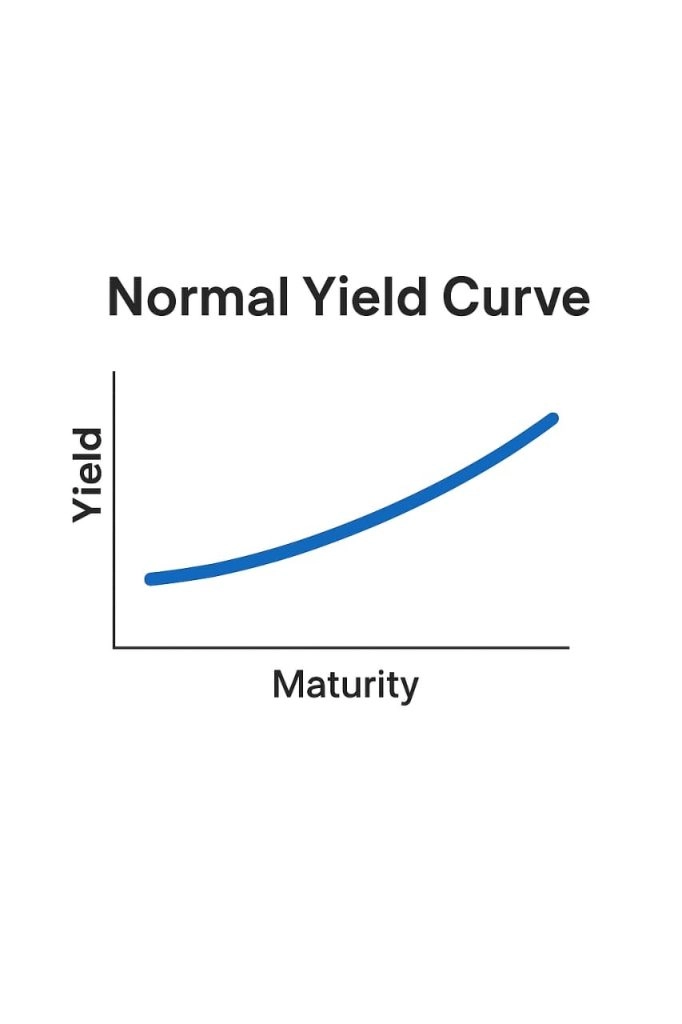
A normal curve slopes upward because long-term yields sit above short-term yields.
This often suggests steady economic conditions.
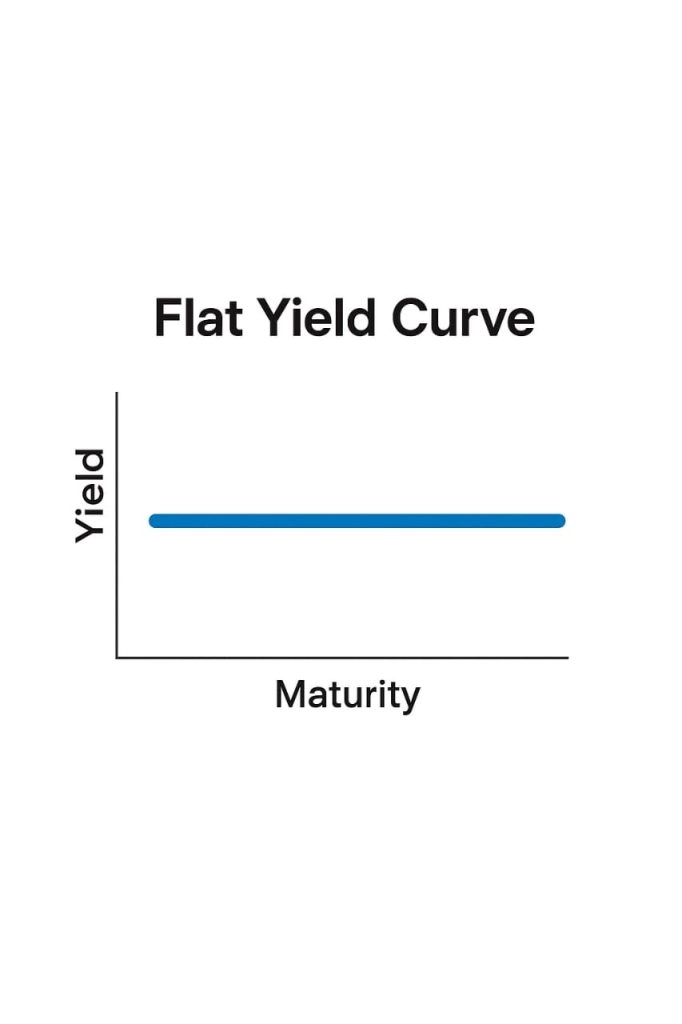
A flat curve appears when yields across different maturities are close together, indicating uncertainty about the outlook.
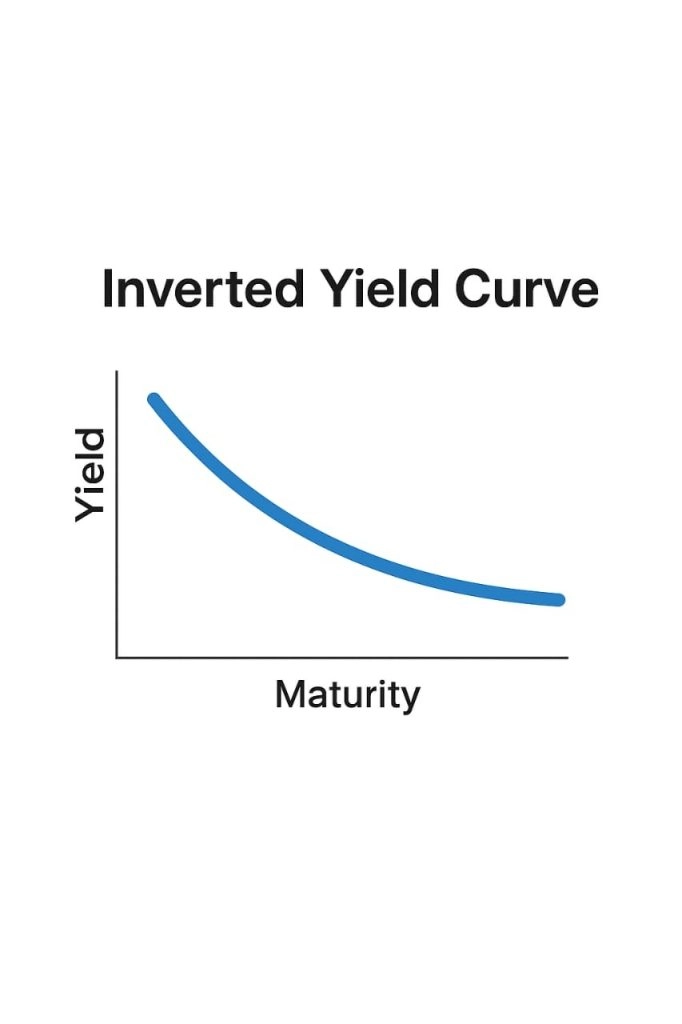
An inverted curve occurs when short-term yields rise above long-term yields.
This signal is closely monitored because it often appears when the market anticipates softer conditions ahead.
Why Traders Watch Curve Shifts
Changes in the curve can reveal shifts in expectations before they show up in other markets.
A steepening curve can point to stronger growth expectations.
A flattening curve can suggest that traders are becoming more cautious.
If the curve inverts, it can indicate that the market is preparing for slower momentum.
These shifts often influence positioning across currencies, stocks, and commodities by helping traders build a clearer view of where sentiment is heading.
Key Treasury Benchmarks Traders Watch
Beyond the broad categories of bills, notes, and bonds, a few specific maturities tend to attract most of the market’s attention.
These benchmarks shape sentiment, influence pricing models, and often guide how traders use Treasury-based CFDs on platforms such as PU Prime.
3-Month and 6-Month T Bills
Short-term T-bills, such as the 3-month and 6-month maturities, provide a quick read on expectations for upcoming Federal Reserve decisions, as their yields closely track short-term interest rate pricing.
When these yields move, they can highlight shifts in how traders see the path of policy over the next few meetings.
Active traders frequently monitor these benchmarks in anticipation of key data releases and Federal Reserve announcements.
2-Year Note
The 2-year note is closely linked to interest rate expectations over the next couple of years.
Its yield is widely treated as a policy proxy because it reacts quickly to changes in the federal funds rate outlook and Fed communication.
Sudden moves in the 2-year yield can suggest that the market is reassessing the likely path of policy, which can feed into positioning across forex, equity indices, and rate-sensitive sectors.
10-Year Note
The 10-year note sits near the center of the yield curve, blending growth and inflation expectations.
It is a core benchmark for many long-term borrowing costs, including U.S. mortgage rates, and it often feeds into valuation models for equities and corporate debt.
Changes in the 10-year yield can influence how investors value future cash flows and affect stock indices and sector performance.
30-Year Bond
The 30-year bond reflects expectations for economic conditions and inflation far into the future.
Moves at this long end of the curve are often linked to long-range inflation expectations, government borrowing needs, and demand from pensions and insurers that focus on very long-term liabilities.
Traders may watch the 30-year yield alongside shorter maturities to see whether confidence in the long-term outlook is holding up or starting to fade.
Many traders track these benchmarks side by side and use Treasury-based CFDs on PU Prime to respond when yields start to shift, taking long or short positions as sentiment evolves across global markets.
Trading vs Investing in Treasuries
Investors and traders approach Treasuries with very different goals.
That difference shapes how they interpret price movements, respond to economic data, and select the tools they use for trading.
How Investors Approach Treasuries
Investors see Treasuries as a reliable place to store capital.
They care about steady coupon payments and the comfort of knowing the principal will be returned at maturity.
Because they plan to hold these securities for long periods, day-to-day yield changes rarely shift their plans.
Their focus is long-term stability, not short-term movement.
How Traders Approach Treasuries
Traders view Treasuries through a very different lens.
They track yield changes, monitor how markets react to economic reports, and look for points where sentiment shifts.
When yields rise or fall, prices move in the opposite direction, and that is where traders focus.
Shorter time horizons shape their decisions, so they respond quickly when expectations for interest rates shift.
Direct Ownership vs Derivatives
Owning a Treasury security directly is a slow-and-steady approach, which is why it appeals to long-term investors.
Traders usually need more flexibility.
They often use futures, options, or CFDs because these tools allow them to react more quickly and adjust positions without holding the underlying bond.
Treasury-based CFDs on PU Prime, for example, track the price of the underlying instrument, allowing traders to take long or short positions without taking ownership.
Remember: trading derivatives is a speculative activity that can lead to losses, and you do not own the underlying security when using CFDs.
How Traders Access the Treasury Market
Traders have several ways to take positions on Treasury price movements, and each approach offers a different level of flexibility.
Unlike long-term investors, who typically buy and hold securities, traders seek tools to respond quickly when yields shift or sentiment changes.
Trading Through Futures
Treasury futures are one of the most widely used methods for trading these markets.
The contracts track specific Treasury maturities, allowing traders to follow short-, medium-, and long-term movements.
Futures are standardized, liquid, and designed for fast execution, making them a familiar option for active traders.
Using Options for More Flexibility
Options on Treasury futures offer another layer of control, since they give the right, but not the obligation, to buy or sell a futures contract at a set price.
Traders often use them when they want exposure to potential price movement while limiting their upfront commitment.
The payoff can vary depending on how yields shift, so options tend to suit traders who want greater flexibility.
Trading Through Treasury-Based CFDs
CFDs offer a distinct form of access.
Instead of owning or entering into a contract tied directly to the bond, traders speculate on the bond’s price change.
Treasury-based CFDs on PU Prime, for example, track the price of the underlying instrument, allowing traders to open long or short positions based on their expectations for yield movements.
Because CFDs are leveraged products, they offer flexibility; however, they also carry significant risk.
Trading CFDs is speculative, and you do not own the underlying securities when using them.
Why Traders Choose These Tools
These instruments enable traders to focus on short- and medium-term movements without committing to the long holding periods associated with direct ownership.
Each tool offers its own balance of speed, leverage, and control, allowing traders to adjust positions as market conditions evolve.
The Bottom Line
Treasury bills, notes, and bonds form the core of global markets, offering more than just stability for long-term investors.
Their yields respond to shifts in interest rate expectations, economic data, and broader market sentiment, which is why traders closely monitor them.
When you understand how each maturity reacts to different conditions, it becomes easier to read the signals that flow into currencies, equities, and commodities.
This connection makes Treasuries a valuable guide for anyone following short or medium-term market movements.
Start Tracking Treasury Trends with PU Prime
For traders seeking flexible access to these price changes, Treasury-based CFDs on PU Prime enable them to track the underlying price without owning the bonds.
Remember: CFD trading is a speculative activity that carries risk, but it enables traders to respond quickly as yields fluctuate and sentiment shifts across global markets.
FAQs
How do Treasury prices move when interest rates change?
Treasury prices move inversely to yields. When expectations for higher interest rates increase, prices usually fall. When expectations shift toward lower rates, prices tend to rise.
Why do traders look at the 10-year yield so often?
The 10-year note sits in the middle of the yield curve and captures both growth and inflation expectations. It influences many pricing models and is widely used as a benchmark across global markets.
Can Treasury yields change overnight?
Yes. Yields can fluctuate during overseas trading sessions as markets absorb global economic news, policy statements, or risk events, and these movements often carry over into the next trading day.
Are shorter maturity Treasuries less risky for traders to follow?
Shorter maturities can be more price-stable, but they react more quickly to policy expectations.
This means they may show sharp moves around major economic announcements.
What economic events have the biggest impact on Treasury yields?
Fed meetings, inflation data, employment reports, and GDP updates often create the most noticeable moves because they directly influence interest rate expectations.
How are Treasury CFDs priced?
CFDs track the underlying Treasury instrument, so their prices reflect movements in the corresponding futures or cash markets, depending on the product structure.
This content is for educational and informational purposes only and should not be considered investment advice, a personal recommendation, or an offer to buy or sell any financial instruments.
This material has been prepared without considering any individual investment objectives, financial situations. Any references to past performance of a financial instrument, index, or investment product are not indicative of future results.
PU Prime makes no representation as to the accuracy or completeness of this content and accepts no liability for any loss or damage arising from reliance on the information provided. Trading involves risk, and you should carefully consider your investment objectives and risk tolerance before making any trading decisions. Never invest more than you can afford to lose.
Start trading with an edge today
Trade forex, indices, metal, and more at industry-low spreads and lightning-fast execution.
Start trading with deposits as low as $50 on our standard accounts.
Get access to 24/7 support.
Access hundreds of instruments, free educational tools, and some of the best promotions around.
Important Notice: Please note the Website is intended for individuals residing in jurisdictions where accessing the Website is permitted by law.
Please note that PU Prime and its affiliated entities are neither established nor operating in your home jurisdiction.
By clicking the "Acknowledge" button, you confirm that you are entering this website solely on your own initiative and not as a result of any specific marketing outreach. You wish to obtain information from this website which is provided on a reverse solicitation basis in accordance with the laws of your home jurisdiction.
Please note the Website is intended for individuals residing in jurisdictions where accessing the Website is permitted by law.
Please note that PU Prime and its affiliated entities are neither established nor operating in your home jurisdiction.
By clicking the "Acknowledge" button, you confirm that you are entering this website solely based on your initiative and not as a result of any specific marketing outreach. You wish to obtain information from this website which is provided on reverse solicitation in accordance with the laws of your home jurisdiction.
Ten en cuenta que el sitio web está destinado a personas que residen en jurisdicciones donde el acceso al sitio web está permitido por la ley.
Ten en cuenta que PU Prime y sus entidades afiliadas no están establecidas ni operan en tu jurisdicción de origen.
Al hacer clic en el botón "Aceptar", confirmas que estás ingresando a este sitio web por tu propia iniciativa y no como resultado de ningún esfuerzo de marketing específico. Deseas obtener información de este sitio web que se proporciona mediante solicitud inversa de acuerdo con las leyes de tu jurisdicción de origen.